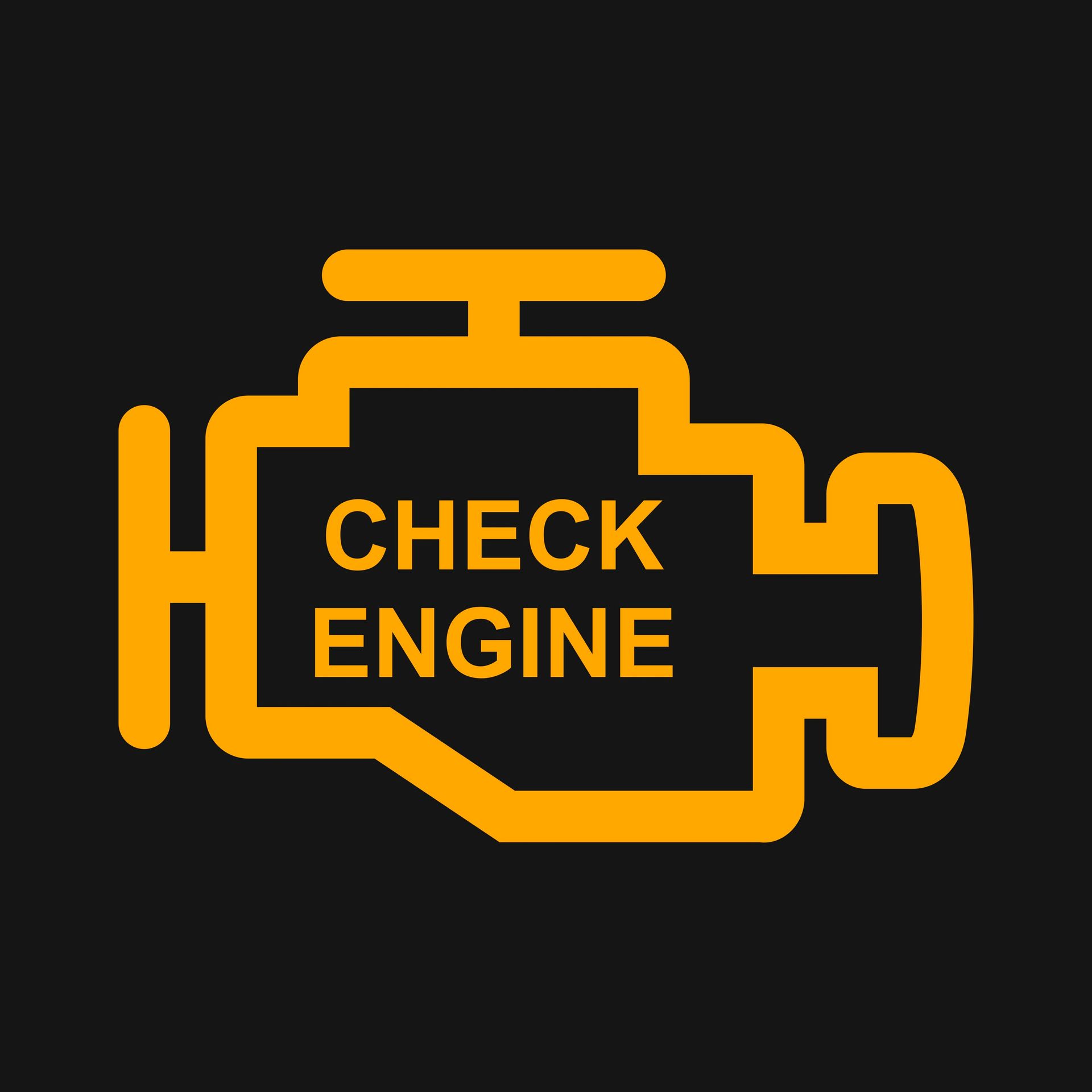
An overheating engine does not always mean the engine is ruined. If you shut the vehicle down on time, the repair may be limited to a leaking hose, thermostat, radiator, cooling fan, or water pump. The situation changes when the engine has been driven hot long enough to damage internal sealing surfaces and moving parts.
That is when the conversation can shift from cooling-system repair to engine repair. Severe overheating can warp cylinder heads, damage head gaskets, reduce compression, contaminate the oil, and in extreme cases damage the block itself. Before deciding between a rebuild and replacement, we first determine how far the heat damage actually went.
Severe Overheating Can Warp the Cylinder Head
Cylinder heads are exposed to extreme combustion temperatures even during normal operation, but they depend on coolant to keep that heat under control. When coolant circulation is lost, or the level drops too far, the head can become hot enough to distort.
A warped cylinder head may no longer seal evenly against the head gasket and engine block. That can lead to compression loss, coolant entering the cylinders, or combustion pressure entering the cooling system. If machining can restore the head and the rest of the engine is healthy, a repair may still make sense. Severe distortion or cracking can push the job toward a larger rebuild or replacement.
A Blown Head Gasket Is Not Always the Only Damage
Overheating and head gasket failure often appear together, but replacing the gasket without checking the rest of the engine can be a costly mistake. The gasket may be the visible failure, while damaged sealing surfaces, worn bearings, or cylinder problems hide underneath.
At our shop, we look for signs such as coolant loss, white exhaust smoke, pressure building quickly in the cooling system, contaminated oil, and low compression. An inspection helps us determine whether the engine only needs cylinder-head work or whether the overheating damaged the lower end as well.
Coolant in the Oil Can Damage Bearings Quickly
If a failed head gasket or cracked engine component allows coolant into the crankcase, the engine oil can lose its ability to protect bearings and other moving surfaces. The familiar milky appearance under the oil cap can be one clue, though contamination isn't always obvious.
Bearings depend on a very thin film of clean oil to keep metal surfaces separated. Coolant contamination can break down that protection and lead to bearing wear, low oil pressure, or knocking. If the engine has run for a long time on contaminated oil, rebuilding only the cylinder head may leave serious lower-engine damage untouched.
Low Compression Can Show How Far the Damage Went
A compression test gives us useful information about whether individual cylinders are still sealing properly. One weak cylinder can point toward a damaged valve, piston, head gasket, or cylinder wall. Several weak cylinders can suggest more widespread damage.
We may follow that test with a leak-down test to determine where pressure is escaping. Air heard through the intake points toward an intake valve, air from the exhaust points toward an exhaust valve, and air entering the crankcase can indicate piston ring or cylinder wear. Those results help us decide whether a targeted repair is realistic or whether opening the entire engine makes more sense.
When an Engine Rebuild Makes Sense
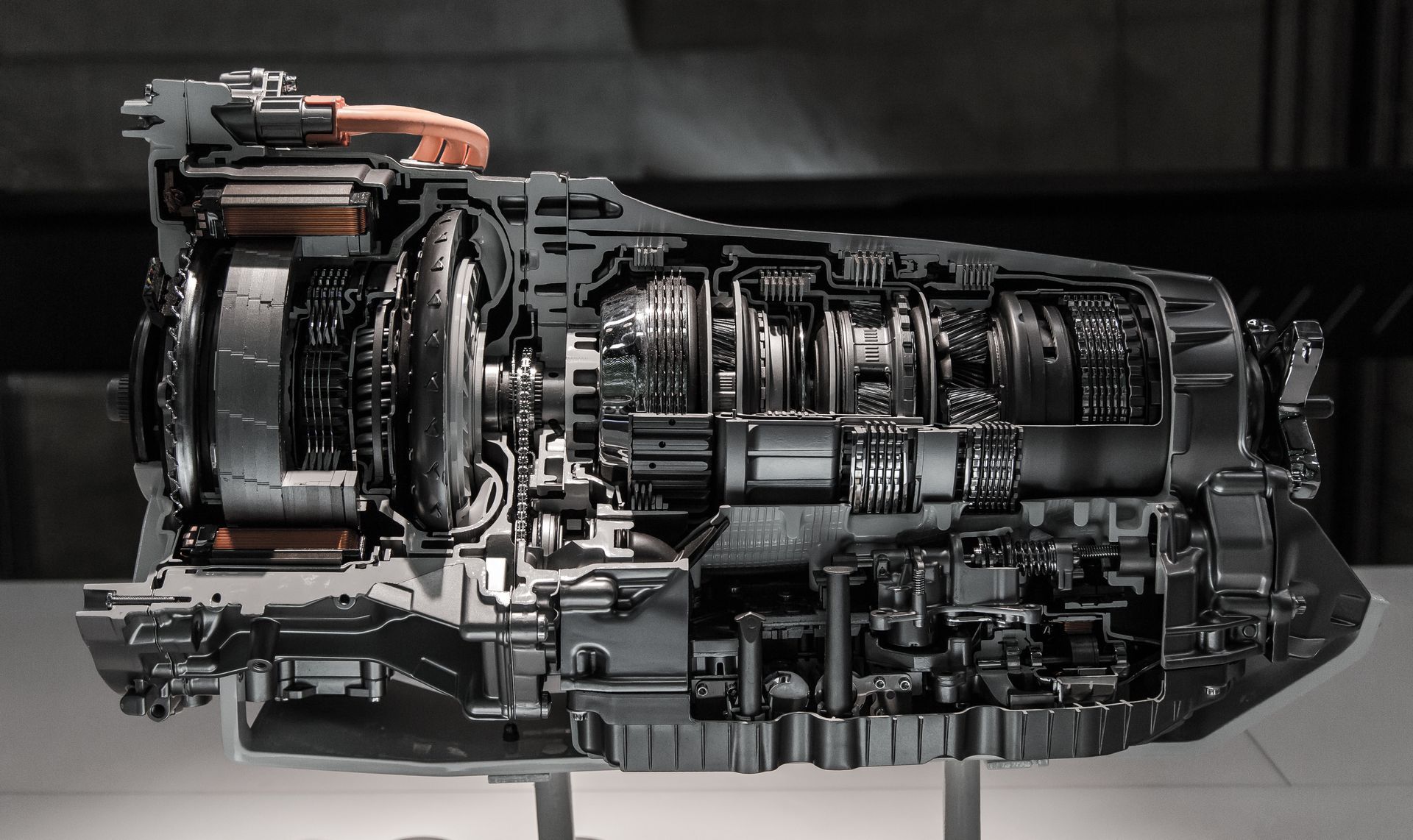
A rebuild can be a good option when the engine block is still usable, and the internal damage can be repaired with machining and replacement parts. The engine is disassembled, measured, cleaned, and rebuilt with the parts needed to restore proper clearances and sealing.
That may include bearings, piston rings, gaskets, seals, cylinder-head work, and timing components. A rebuild becomes more attractive when the original engine has a solid block, replacement engines are expensive or difficult to source, and the rest of the vehicle is worth keeping. Regular maintenance history also helps us judge whether the engine was healthy before the overheating event.
When Engine Replacement Is the Better Option
Replacement becomes more practical when overheating has caused extensive damage to the block, crankshaft, cylinders, bearings, or multiple internal systems at once. If the cost of machining and rebuilding the original engine approaches the price of a quality replacement, the replacement can offer a clearer path forward.
Possible choices include used, rebuilt, or remanufactured engines depending on the vehicle. We compare mileage, warranty coverage, condition, availability, and total installed cost. The cheapest engine isn't automatically the best value if its history is unknown or the warranty leaves you paying installation labor again if something goes wrong.
Do Not Make the Decision Until the Engine Is Properly Tested
A vehicle that overheated badly can still surprise you in either direction. Sometimes the engine survives, and only the cooling-system failure needs repair. Other times the car still runs but already has compression loss, oil contamination, or internal noise that tells us major damage has occurred.
We test before making a recommendation because rebuilds and replacements are expensive decisions. Cooling-system pressure testing, compression checks, leak-down testing, oil-pressure measurements, scan data, and internal inspection can all help establish how much of the engine is still usable.
Get Engine Rebuild and Replacement Service In Dover, FL, With Absolute Auto Repair Inc
If your vehicle has overheated and now has low compression, coolant in the oil, repeated overheating, internal engine noise, or poor running, Absolute Auto Repair Inc in Dover, FL, can evaluate the damage and explain whether repair, rebuilding, or replacement makes the most sense.