Keeping your car running smoothly requires regular attention, and one of the most common maintenance tasks is the tune-up. But if you haven’t had a tune-up in years—or if you’re new to car ownership—you might not know exactly what it entails or how it has changed over time. Modern vehicles are far more advanced than the cars of decades past, and tune-ups have evolved to match these advancements.
What a Tune-Up Used to Mean
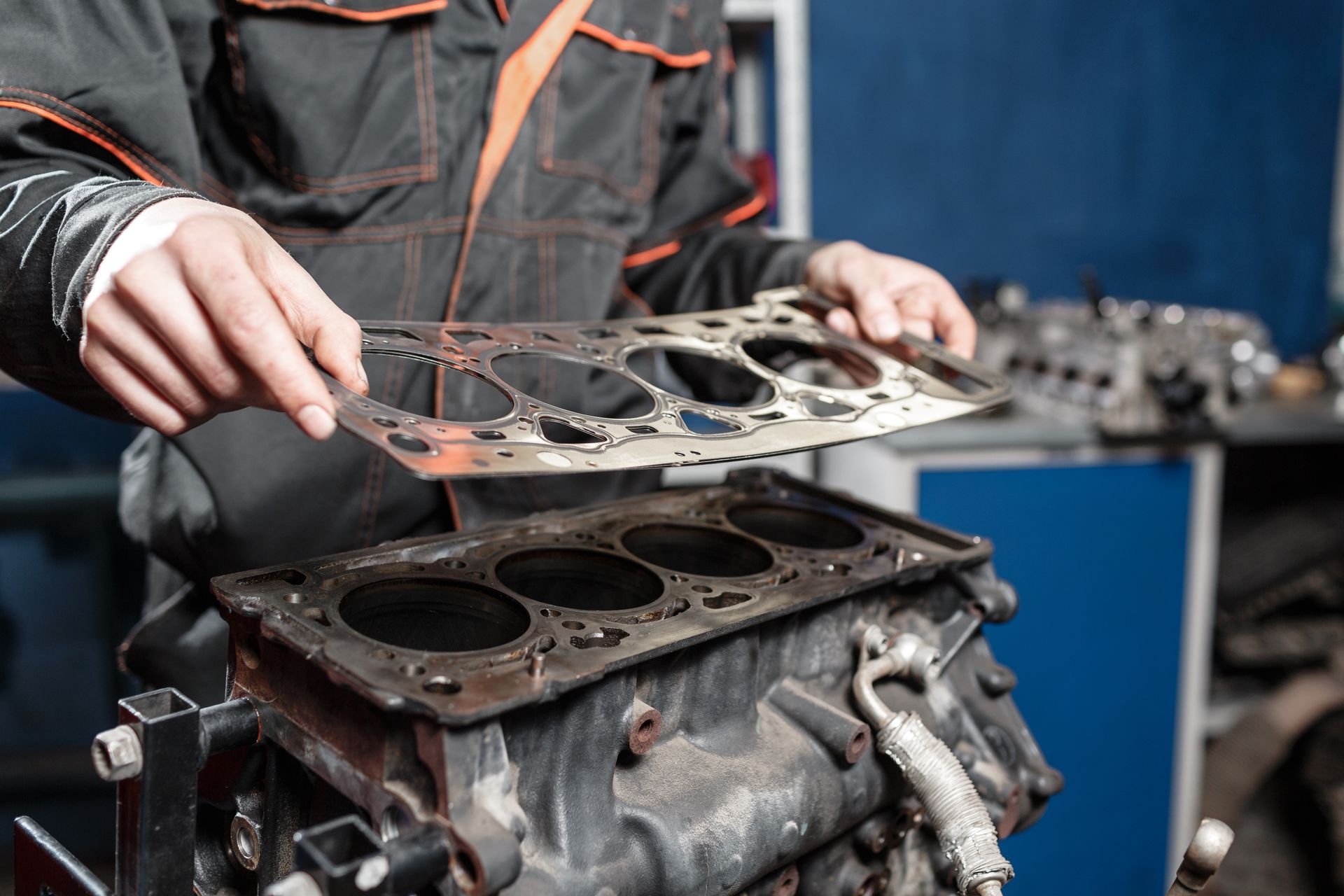
Years ago, a tune-up was a hands-on, labor-intensive process. Mechanics would:
- Replace spark plugs and spark plug wires
- Adjust the timing and carburetor
- Clean or replace fuel filters
- Inspect ignition components, belts, and hoses
Back then, engines were simpler, with fewer electronics and sensors. Tune-ups were essential to keep engines running efficiently, prevent misfires, and maintain fuel economy. Missing a tune-up could lead to noticeable performance issues, rough idling, or stalling.
How Modern Vehicles Have Changed Tune-Ups
Today’s vehicles rely heavily on computer systems, sensors, and fuel-injection technology. As a result, traditional tune-ups have evolved:
Electronic Ignition Systems: Modern cars don’t have points and condensers. Spark plugs are often long-life types that last tens of thousands of miles.
Fuel Injection: Carburetors are nearly extinct, replaced by fuel injection that delivers precise fuel-air mixtures.
Advanced Sensors: Engine performance is monitored by oxygen sensors, mass airflow sensors, and onboard diagnostics (OBD-II). These systems automatically adjust engine functions, reducing the need for frequent manual adjustments.
Extended Maintenance Intervals: Many newer vehicles can go 60,000 to 100,000 miles before needing major tune-up services.
While modern cars require less frequent tune-ups, they still need regular attention to maintain performance and prevent costly repairs.
Vehicles That Typically Require Tune-Ups
Most passenger vehicles benefit from periodic tune-ups, though the recommended interval varies depending on age, make, and model. Vehicles that should get tune-ups include:
- Cars with traditional gas engines that rely on spark plugs and ignition systems
- Older vehicles that are over 10 years old or have high mileage
- Vehicles showing performance issues such as rough idling, hesitation, or decreased fuel efficiency
Some newer models, especially hybrid and electric vehicles, may not require traditional tune-ups at all. These vehicles prioritize battery health and software updates over spark plug replacement and timing adjustments.
Signs Your Car Needs a Tune-Up
Even if your vehicle doesn’t have a strict maintenance schedule, there are signs that a tune-up could be beneficial:
- Decreased fuel efficiency
- Rough idling or stalling
- Difficulty starting the engine
- Engine misfires or unusual noises
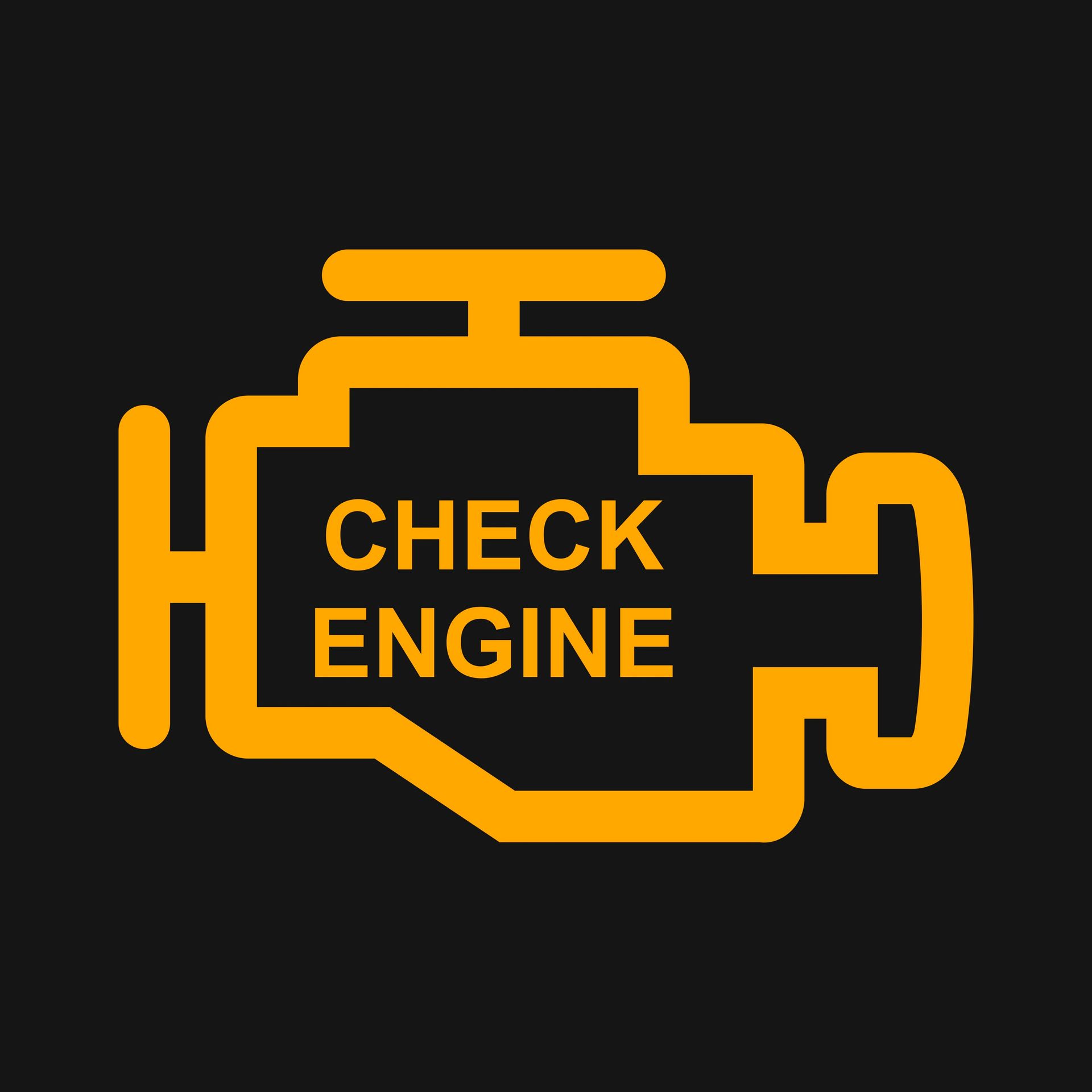
- Check engine light illumination
Addressing these issues with a tune-up can restore performance, improve gas mileage, and prevent more serious engine problems down the road.
What Modern Tune-Ups Include
Modern tune-ups are often customized to the vehicle, but common services include:
- Inspecting and replacing spark plugs and wires if necessary
- Checking ignition coils and related electrical components
- Inspecting fuel and air filters
- Scanning the vehicle’s computer for stored trouble codes
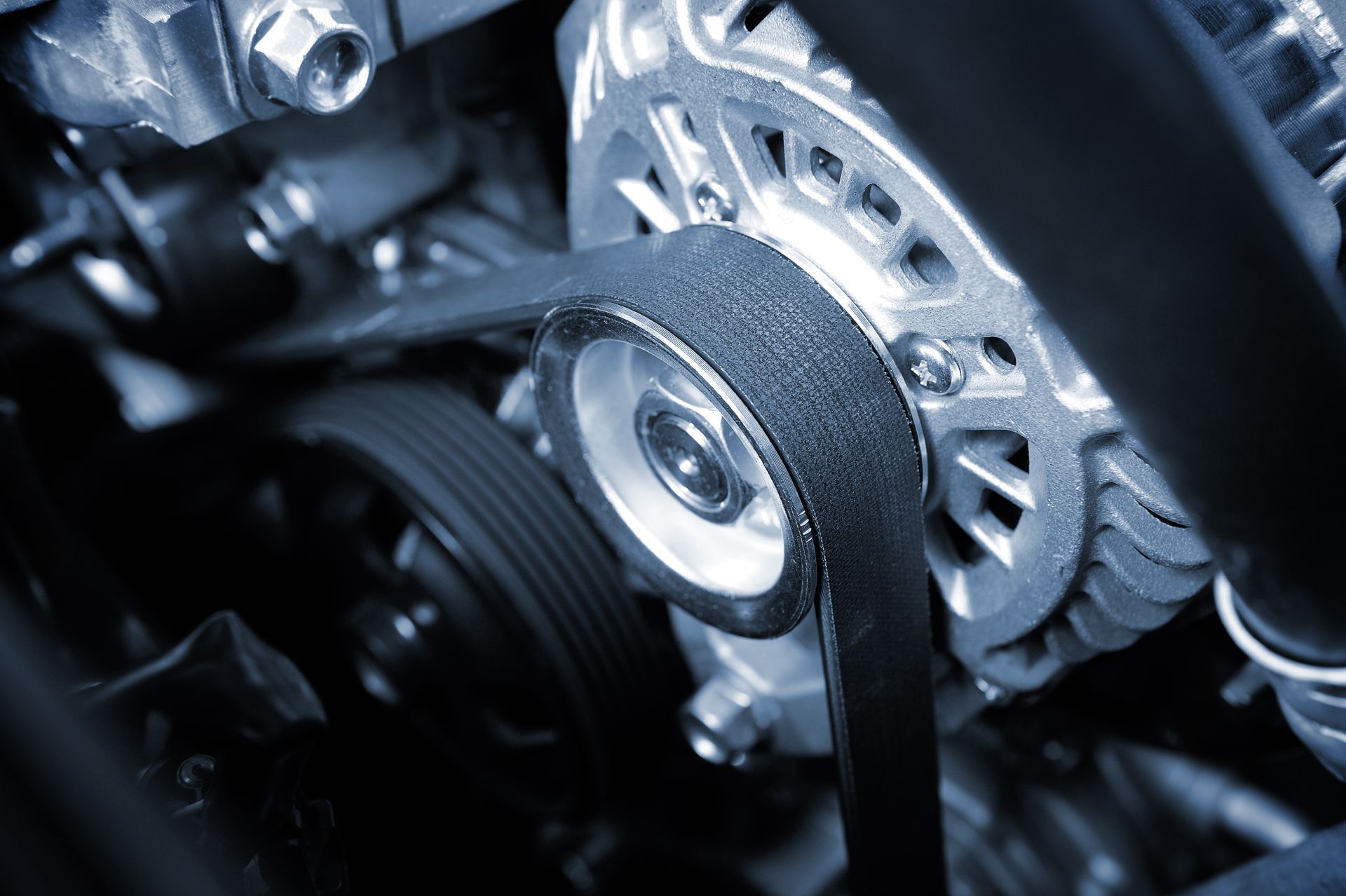
- Testing battery, charging system, and belts for wear
A thorough modern tune-up is as much about diagnostics and electronics as it is about replacing parts.
Keeping up with tune-ups—whether traditional or modern—has several advantages:
- Smoother engine performance
- Improved fuel efficiency
- Longer engine lifespan
- Reduced risk of unexpected breakdowns
Early detection of potential issues before they become expensive repairs.
Keep Your Vehicle Running Its Best
While the term “tune-up” may have changed over the years, the goal remains the same: keeping your vehicle running safely and efficiently. Modern vehicles may require fewer tune-ups than older cars, but staying on schedule with maintenance is key to avoiding engine problems and preserving resale value.
If your car is showing signs of wear or it’s been a while since its last tune-up in Dover, FL, bring it to Absolute Auto Repair Inc. Our experienced technicians can perform a full inspection, update components, and ensure your vehicle runs at peak performance. Schedule a tune-up today!