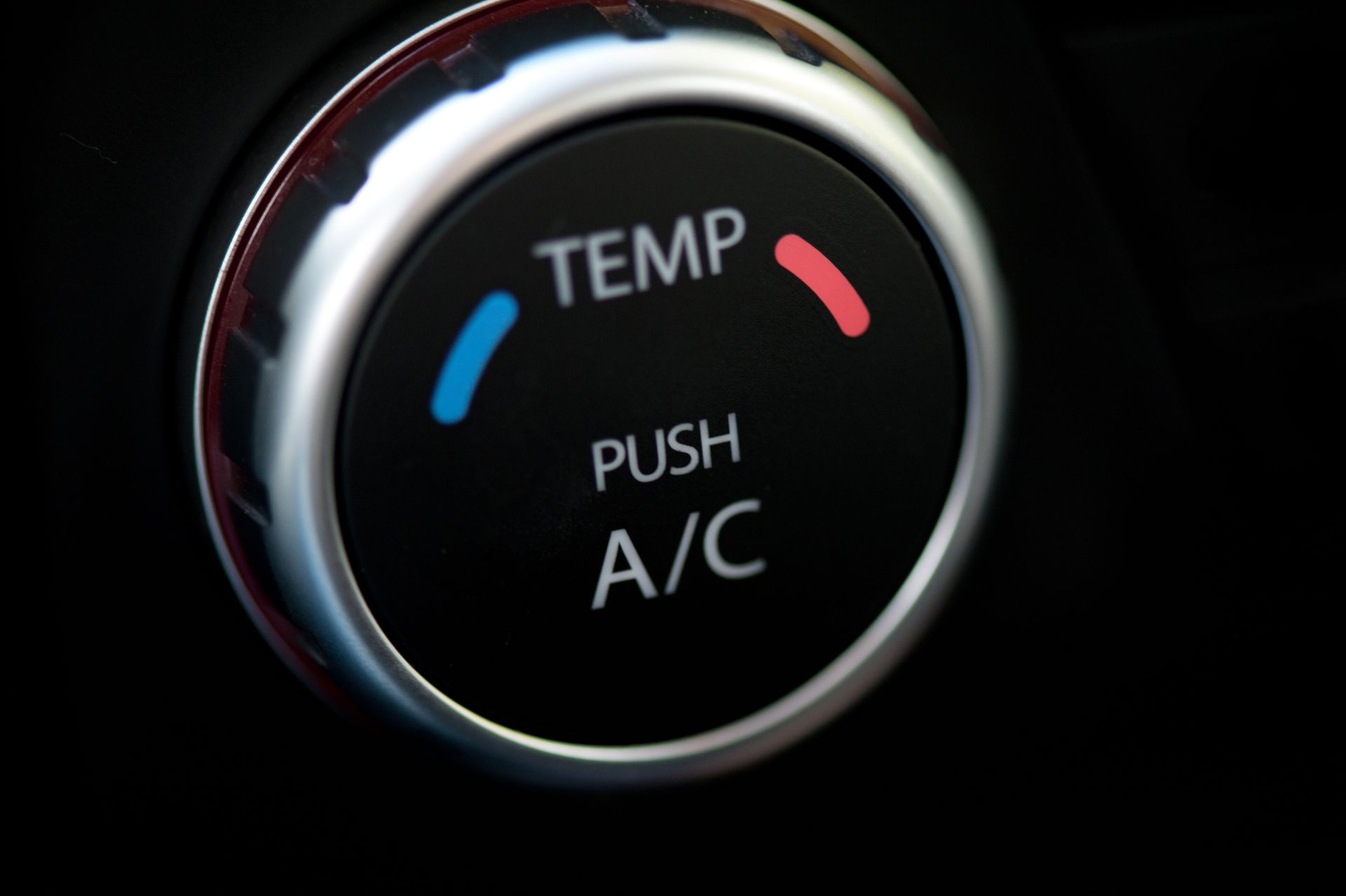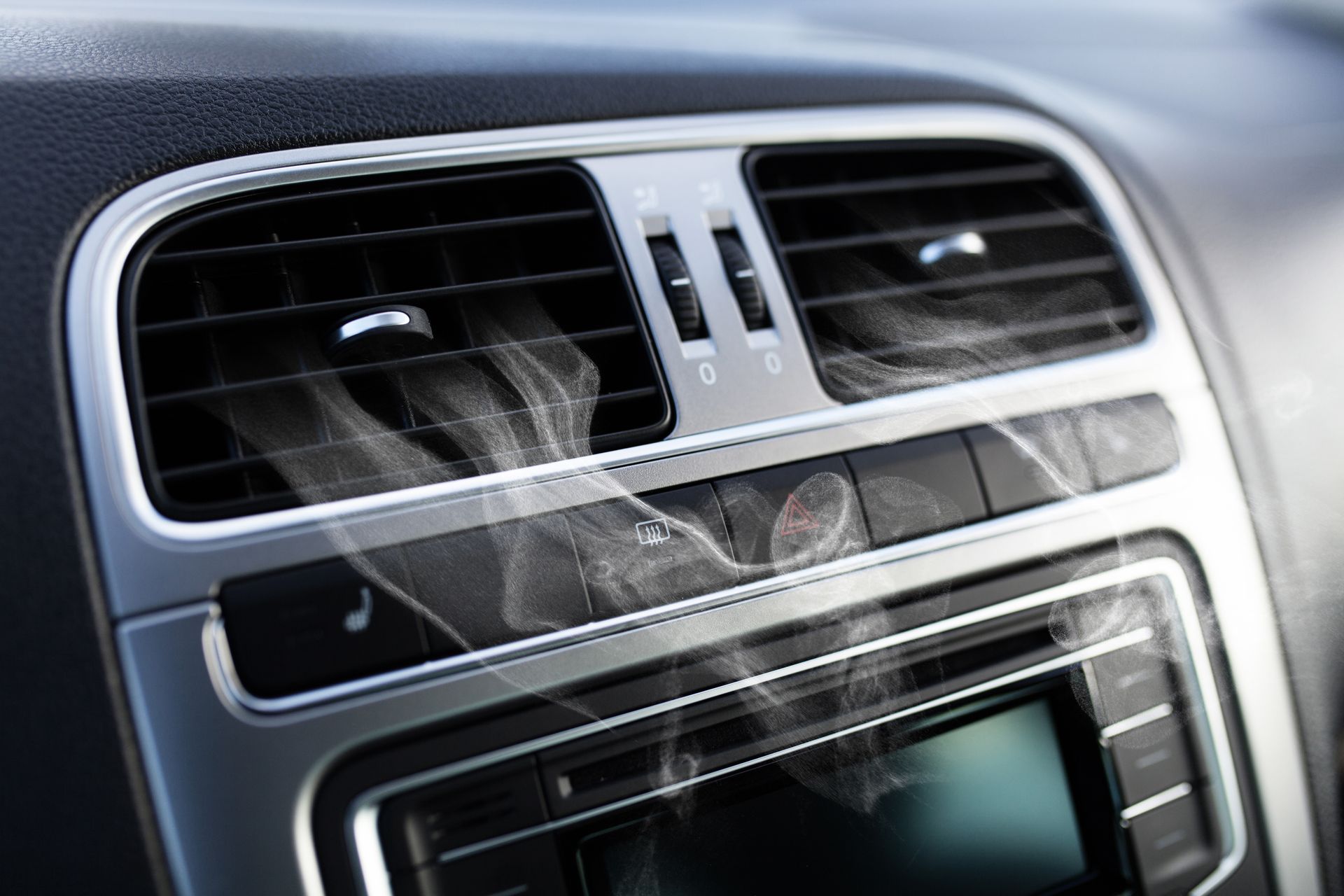
Automatic climate control depends on accurate information about the temperature inside the passenger compartment. A cabin temperature sensor measures interior air temperature and sends that information to the climate control module. The system then adjusts blower speed, air distribution, compressor operation, and heater output to reach the selected setting.
When the sensor reports an incorrect value, the vents may blow air that feels too hot or too cold. Fan speed may change at the wrong time, or the system may continue heating or cooling after the cabin has reached a comfortable temperature. The sensor itself can fail, but restricted airflow, electrical faults, sunlight exposure, or incorrect information from another sensor can produce similar behavior.
How the Cabin Temperature Sensor Works
The cabin sensor usually contains a thermistor, an electronic component whose resistance changes with temperature. The climate control module measures that resistance and converts it into a temperature value.
Many vehicles place the sensor behind a small grille in the dashboard, center console, steering column trim, or climate control panel. An aspirator fan may pull cabin air across the sensor so it can respond to changing conditions. Other designs rely on natural airflow through the grille.
The climate control system compares cabin temperature with the driver’s selected setting. It may also consider outside temperature, sunlight intensity, engine coolant temperature, evaporator temperature, humidity, and vent temperature before deciding how to operate.
Dust Can Restrict Airflow Across the Sensor
Dust, lint, pet hair, and interior cleaning residue can collect around the sensor grille. When airflow becomes restricted, the sensor may respond slowly because it is measuring trapped air rather than the current cabin temperature.
A small aspirator fan can also become contaminated. The fan may slow down, make a faint buzzing sound, or stop completely. Without steady airflow, the climate control system may continue heating or cooling longer than necessary.
Warning signs of restricted sensor airflow can include:
- Delayed changes in blower speed
- Cabin temperature overshooting the selected setting
- Heat continuing after the cabin feels warm
- Cooling continuing after the cabin feels cold
- A faint noise behind the dashboard
- Temperature control improving after the vehicle has been moving
Cleaning must be performed carefully. Pushing dirt through the grille can move contamination deeper into the sensor housing, while liquid cleaners may damage the thermistor or electrical connections.
Electrical Resistance and Wiring Faults
The climate control module relies on a stable electrical signal from the cabin sensor. Corroded terminals, loose connectors, broken wires, poor grounds, or excessive circuit resistance can alter that signal.
A wiring fault may cause the displayed or reported cabin temperature to remain fixed, change suddenly, or show an unrealistic value. Some systems respond to a missing signal by using a substitute temperature. The air conditioning may still operate, but automatic control becomes less accurate.
Technicians can compare sensor data with the actual cabin temperature and then test resistance, voltage, wiring continuity, connector tension, and ground quality. Replacing the sensor will not correct a damaged wire or poor connection elsewhere in the circuit.
Heat and Sunlight Can Influence the Reading
Sensor location is important. Direct sunlight can heat nearby dashboard panels well above the actual cabin air temperature. Manufacturers account for this by using a separate sunload sensor, usually positioned near the base of the windshield.
The climate control module uses sunload information to increase cooling when strong sunlight is warming the occupants and interior surfaces. If the sunload sensor reports incorrectly, the system may cool too aggressively or fail to compensate for solar heat.
Aftermarket accessories can also interfere with readings. A phone mount, dashboard cover, air freshener, interior trim piece, or misplaced object may block the cabin sensor grille or shade the sunload sensor. Hot or cold air from a nearby vent can also distort readings if airflow is redirected toward the sensor.
A Failed Aspirator Fan
Some cabin temperature sensors use a tiny electric fan to draw air through the housing. The fan operates quietly, so drivers may not notice when it stops.
A failed fan causes the sensor to react slowly, especially when the vehicle has been parked in hot weather. The sensor area may remain warmer than the rest of the cabin even after cold air begins flowing from the vents. The climate control module then continues commanding maximum cooling because it believes the interior is still too hot.
The fan may be replaceable separately on certain vehicles. On others, the sensor, fan, grille, or control panel is serviced as an assembly. Testing should confirm whether the fan receives power and whether airflow is reaching the sensing element.
Other Sensors Can Create Similar Symptoms
The interior sensor does not always cause incorrect cabin temperature control. Automatic systems depend on several inputs, and inaccurate information from any of them can affect vent temperature or blower operation.
Possible related faults include:
- Outside air temperature sensor errors
- Sunload sensor faults
- Evaporator temperature sensor problems
- Engine coolant temperature concerns
- Faulty air-mix door position feedback
- Humidity sensor errors
- Climate control module faults
- Sticking blend door actuators
A vehicle that produces heat on one side and cold air on the other may have a blend door or actuator concern rather than a cabin sensor fault. Weak cooling can also result from low refrigerant, compressor trouble, condenser airflow problems, or an expansion-device fault.
How Technicians Identify the Cause
Testing begins by confirming the customer’s selected temperature, vent output, fan behavior, and conditions under which the problem occurs. The technician may compare cabin sensor data with a separate thermometer while monitoring other climate-control inputs.
Scan data can reveal whether the module is commanding heating, cooling, recirculation, or a specific door position. Electrical tests and actuator checks then identify whether the reported temperature matches actual conditions and whether the system responds correctly.
Regular maintenance can include keeping sensor grilles clear and replacing a restricted cabin air filter when required. A complete inspection is appropriate when automatic temperature control becomes inconsistent, responds slowly, or changes without driver input.
Get Cabin Temperature Sensor Service in Dover, FL, With Absolute Auto Repair Inc
Absolute Auto Repair Inc in Dover, FL, can test cabin temperature sensors, aspirator fans, wiring, sunload sensors, blend door actuators, and climate control modules.