A sudden MPG drop can feel like your car started burning money overnight. You might not hear anything unusual, the dashboard may look normal, and the car can still drive fine, yet the fuel gauge is moving faster than it should. In most cases, the cause is either extra resistance, a mixture change, or a component that is forcing the engine to work harder than normal.
Here are the five issues we see most often.
1. Tire Pressure Dropped Or Tires Changed
Low tire pressure increases rolling resistance, which means the engine has to push harder to keep the car moving. This can happen quickly with temperature swings or slowly from a small leak that you did not notice. A few PSI down across multiple tires can create a noticeable MPG hit without changing how the car feels.
New tires can also change mileage, especially if the tread design is more aggressive or the compound is stickier. If the MPG drop started right after tire work, pay attention to steering feel and tire wear, because alignment drift can stack on top of the tire change and make the drop worse.
2. Engine Misfires Or Weak Ignition Parts
A mild misfire does not always feel dramatic, but it can cut efficiency fast. Worn spark plugs and weak ignition coils can cause incomplete combustion under load, forcing the engine to use more fuel to produce the same power. Sometimes the only clue is a slight hesitation on a hill or a soft stumble when leaving a stoplight.
If the check engine light comes on, even briefly, that information matters. Misfire activity can also be present without a constant warning, so a quick scan can reveal what your right foot is already noticing at the pump.
3. Airflow Problems Or Intake Leaks
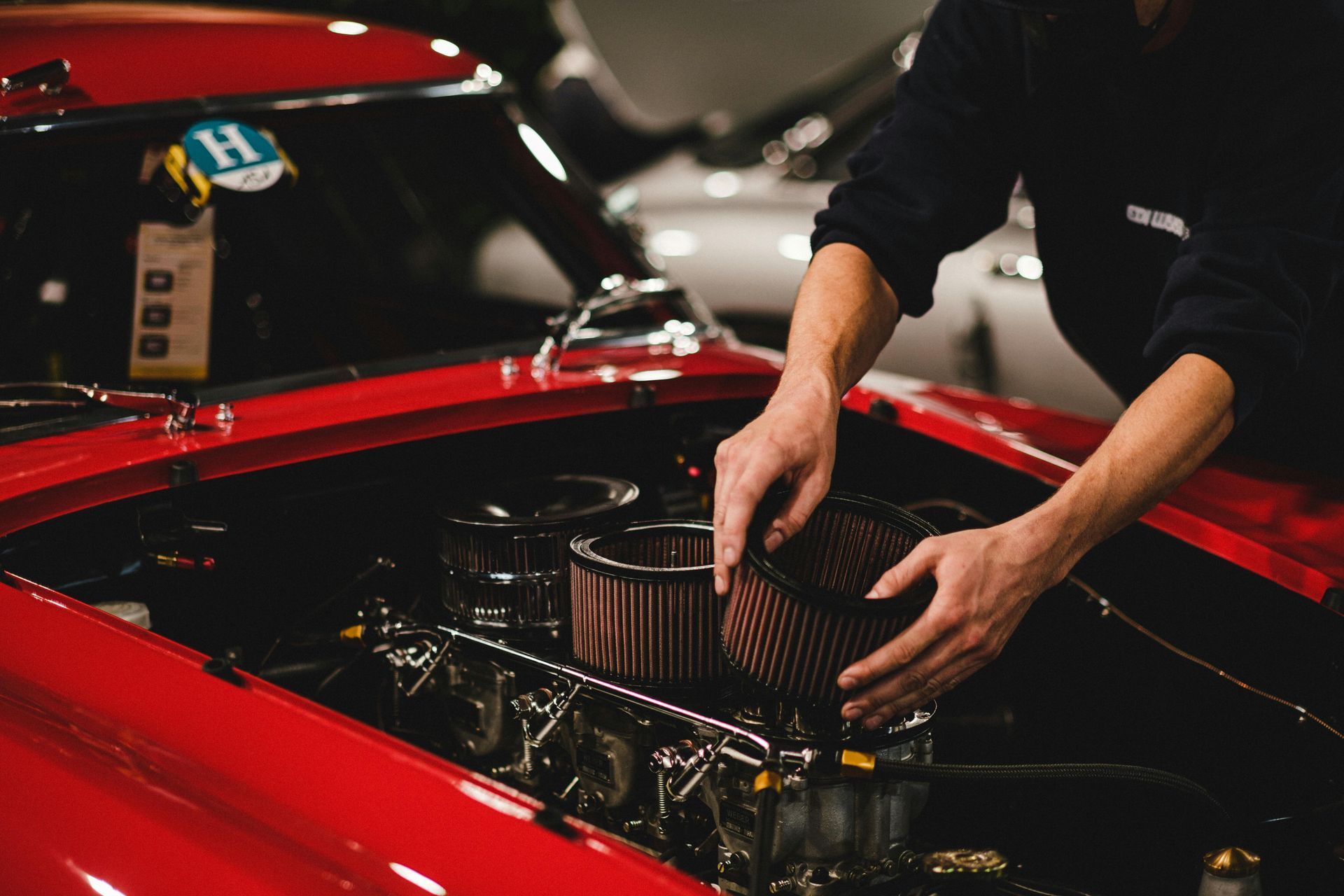
Engines rely on accurate airflow information to calculate fueling. If the mass airflow sensor is dirty or drifting, the engine may run richer than it should to stay stable, and mileage drops. You might notice a slightly heavier exhaust smell, but the car can still feel normal in everyday driving.
Vacuum leaks can create similar results in a different way. Extra unmetered air gets in, the computer compensates by adding fuel, and MPG falls. Cracked intake boots, PCV hoses, and loose clamps are common leak points that can be easy to miss until the numbers at the pump force your attention.
4. EVAP Or Fuel System Issues
If the MPG drop started after a fill-up, EVAP purge behavior is worth considering. A purge valve that sticks open can feed fuel vapor into the intake at the wrong time, which can cause rich running, rough starts, or a slightly unstable idle. In some cases, you feel nothing at all, you just lose fuel economy and later see a code.
Fuel injectors can also play a role. A leaking injector can add extra fuel when it should not, and a restricted injector can force compensation that hurts efficiency. If you ever smell fuel near the vehicle after shutdown, or notice the problem comes and goes in a pattern, that is a strong reason to get it checked.
5. Brake Drag Or Alignment Shift
Brake drag is a quiet MPG killer. A sticking caliper or seized slide pin can keep a pad lightly contacting the rotor, creating heat and resistance that the engine has to overcome. The car may still drive fine, but the extra load shows up as worse MPG and sometimes a hot smell after a drive.
Alignment drift can do the same thing by scrubbing the tires as you drive. If your steering wheel is off-center, the car pulls slightly, or the tires are starting to wear unevenly, your fuel economy can drop right along with tire life.
How To Narrow It Down Without Guessing
Start with the simplest checks first. Confirm tire pressures cold, then take note of whether the car tracks straight and rolls freely. If one wheel area smells hot after a short drive, or one wheel looks dirtier with brake dust than the others, brake drag should be checked sooner.
From there, an inspection that includes scanning for codes and reviewing live data can quickly show whether the engine is correcting fuel heavily, counting misfires, or seeing airflow readings that do not make sense. This is also why keeping up with regular maintenance pays off, because clean filters, healthy ignition parts, and predictable baseline conditions make MPG problems easier to spot early.
Get Fuel Economy Help In Dover, FL, With Absolute Auto Repair Inc
Absolute Auto Repair Inc in Dover, FL, can pinpoint what caused your sudden MPG drop and recommend the most sensible fix based on what the vehicle is actually doing.
Schedule a visit and stop burning extra fuel every week.