A burning smell from your car can make you wonder if you should keep driving or pull over right away. Some smells are brief and harmless, like a little dust burning off after the heater runs for the first time in a while. Other smells can point toward oil leaks, brake problems, overheating, wiring trouble, or a slipping belt.
The hard part is knowing the difference. A burning odor should never be ignored if it keeps coming back, gets stronger, or shows up with smoke, warning lights, strange noises, or performance changes. Paying attention to when the smell happens can help narrow down the cause.
Burning Oil Smell From An Engine Leak
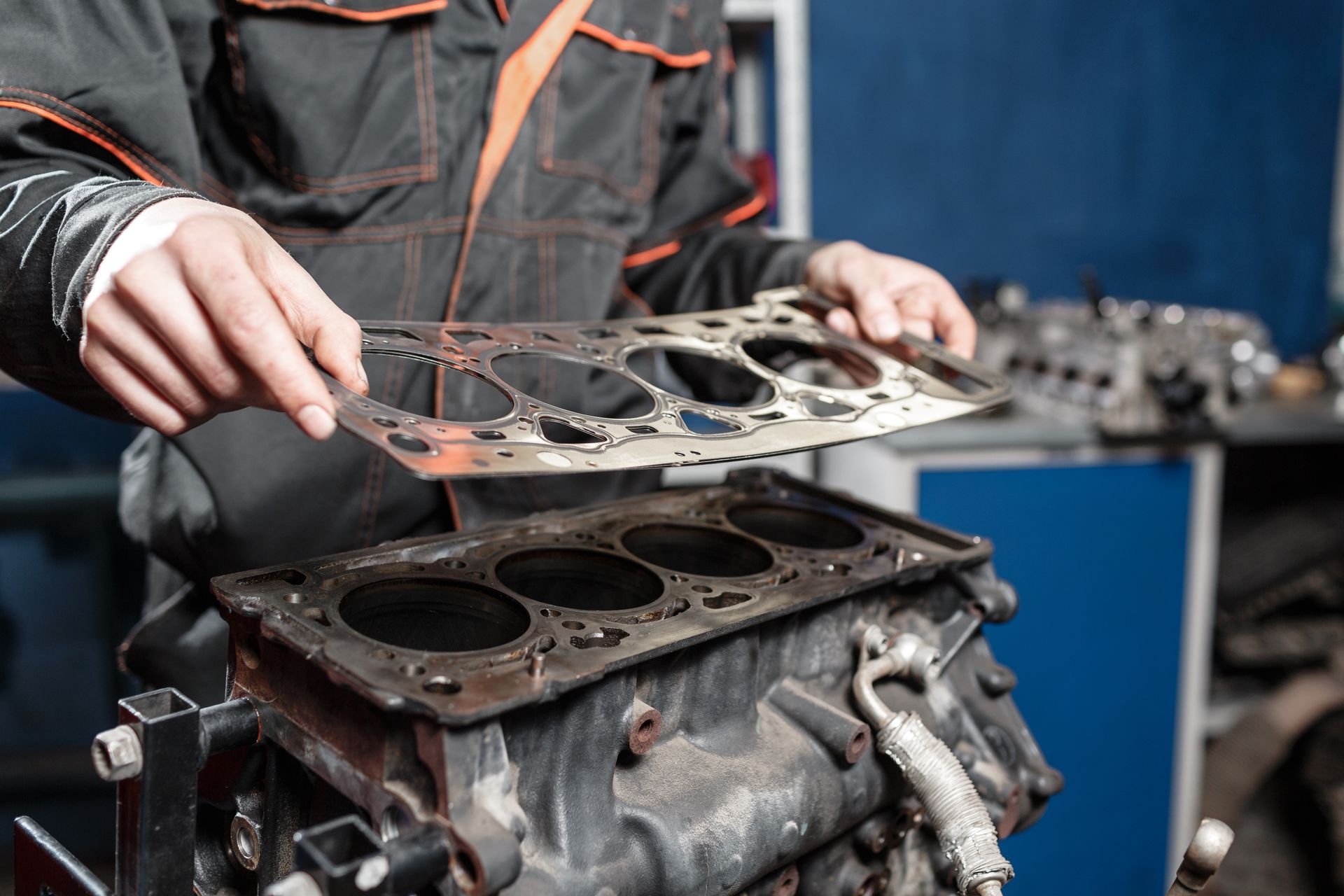
A burning oil smell is one of the more common odors drivers notice. It can happen when oil leaks from a valve cover gasket, oil filter housing, oil pan, drain plug, or another sealing point and lands on hot engine or exhaust parts. The smell may be strongest after driving, while parked, or when the vents pull outside air into the cabin.
Small oil leaks can look minor at first, but they deserve attention. Oil can spread onto belts, hoses, mounts, wiring, and exhaust components. If the oil level drops too low, the engine loses protection. Regular maintenance can help catch leaks before they leave a stronger smell or create a low-oil problem.
Burning Rubber Smell While Driving
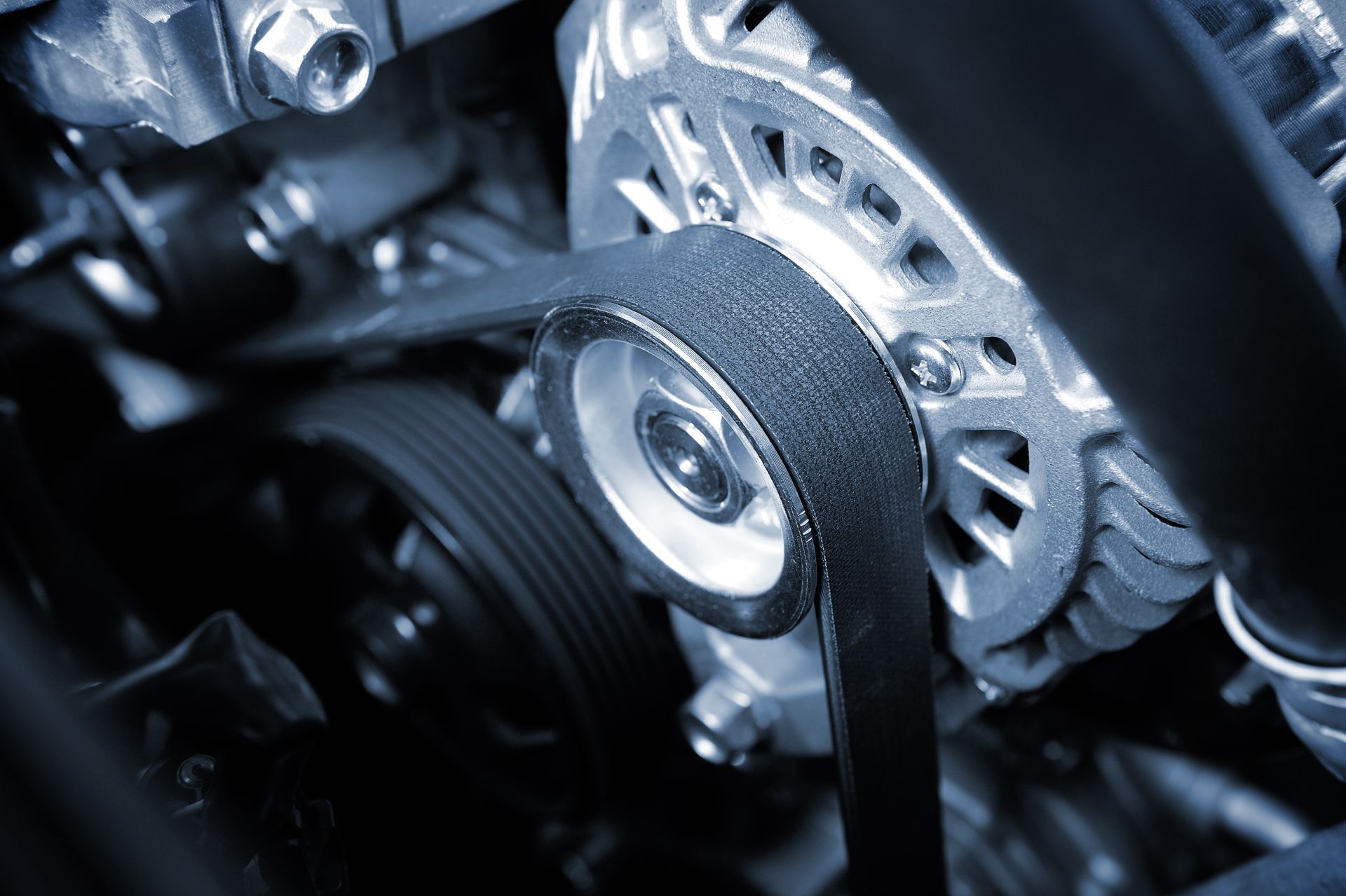
A burning rubber smell can come from several places. A slipping belt, loose hose touching a hot part, overheated tire, damaged pulley, or dragging brake can all create a rubber-like odor. Sometimes the smell appears after a hard turn, heavy braking, or driving in traffic.
If the smell comes with squealing, smoke, steering trouble, overheating, or a warning light, the vehicle should be checked quickly. A belt that is slipping or breaking can affect charging, cooling, power steering, or other important systems, depending on the vehicle. A rubber smell that repeats is not something to write off.
Burning Brake Smell After Stopping
Brakes can smell hot after steep hills, heavy traffic, towing, or repeated hard stops. That can be normal for a short time if the brakes were working hard. The concern starts when the smell appears during normal driving, or one wheel smells much hotter than the others.
A sticking caliper, a seized slide, a parking brake issue, a collapsed brake hose, or worn brake hardware can keep the brakes from releasing fully. That creates heat, odor, faster pad wear, rotor damage, and poor fuel economy. If the car pulls, vibrates, or feels sluggish along with the smell, the brake system needs an inspection.
Electrical Burning Smell From Wiring Problems
An electrical burning smell is more serious. It may smell like hot plastic, melted insulation, or a sharp chemical odor. Wiring, fuses, relays, blower motors, alternators, switches, and electrical connectors can all overheat when there is too much resistance or a short.
If you smell electrical burning, especially with smoke, flickering lights, a dead accessory, or dashboard warning lights, it is safest to stop driving and have the vehicle checked. Electrical problems can worsen quickly, and replacing a fuse without identifying the cause can leave the underlying issue unresolved.
Sweet Burning Smell From Coolant Leaks
Coolant has a sweet smell, and when it leaks onto hot engine parts, the odor can smell like burning sugar. You may also notice steam, a low coolant warning, a temperature gauge running higher than normal, or a puddle under the vehicle.
Coolant leaks can come from hoses, the radiator, water pump, thermostat housing, heater core, reservoir, or small fittings. A small leak can lead to overheating if the coolant level drops. Since overheating can damage the engine, a sweet burning smell should be checked before the temperature gauge climbs too high.
Burning Clutch Or Transmission Smell
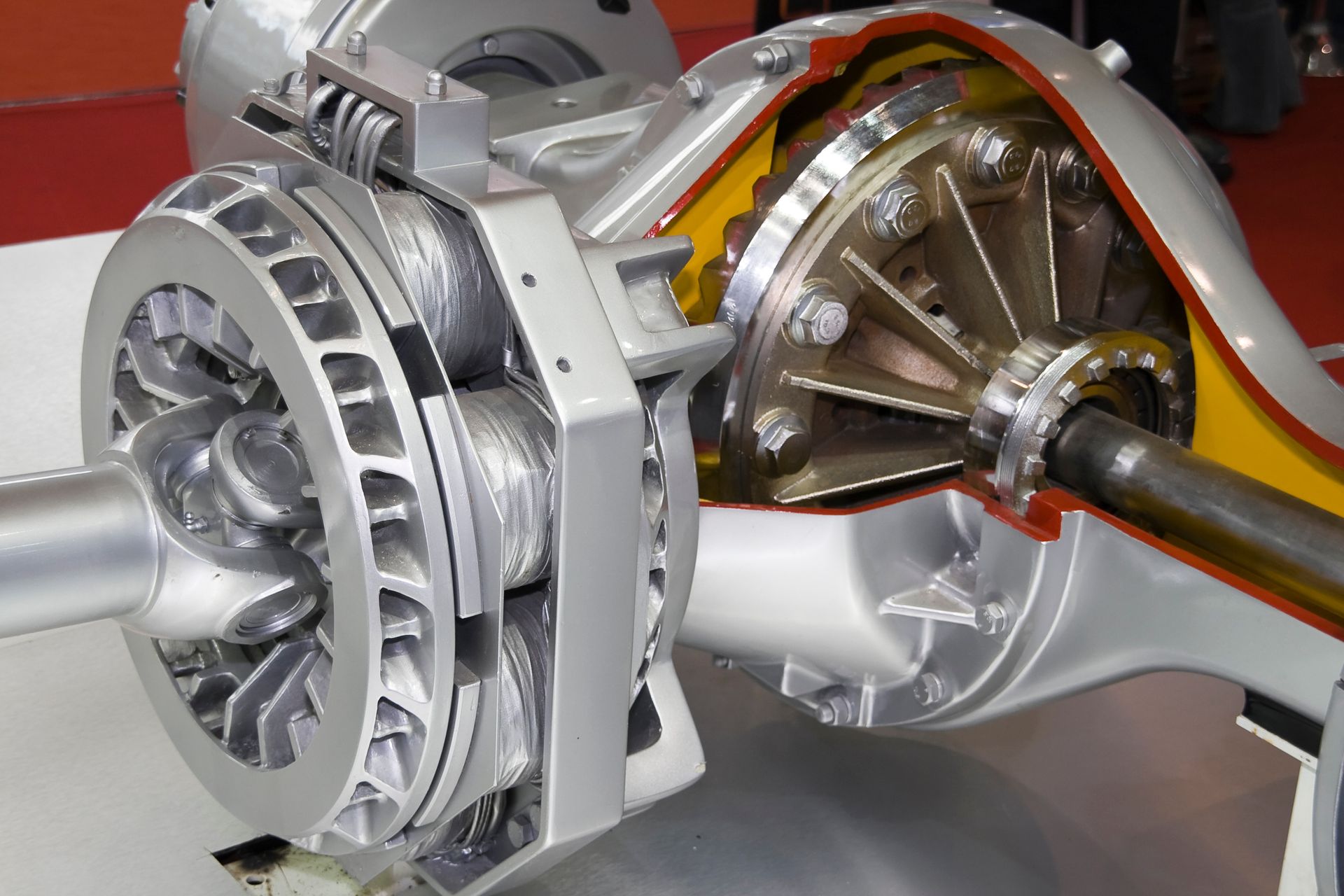
Manual transmission vehicles can produce a burning smell when the clutch slips or overheats. This may happen during heavy traffic, hill starts, towing, or when the clutch is worn. The smell can be sharp and hot, sometimes similar to burnt paper or friction material.
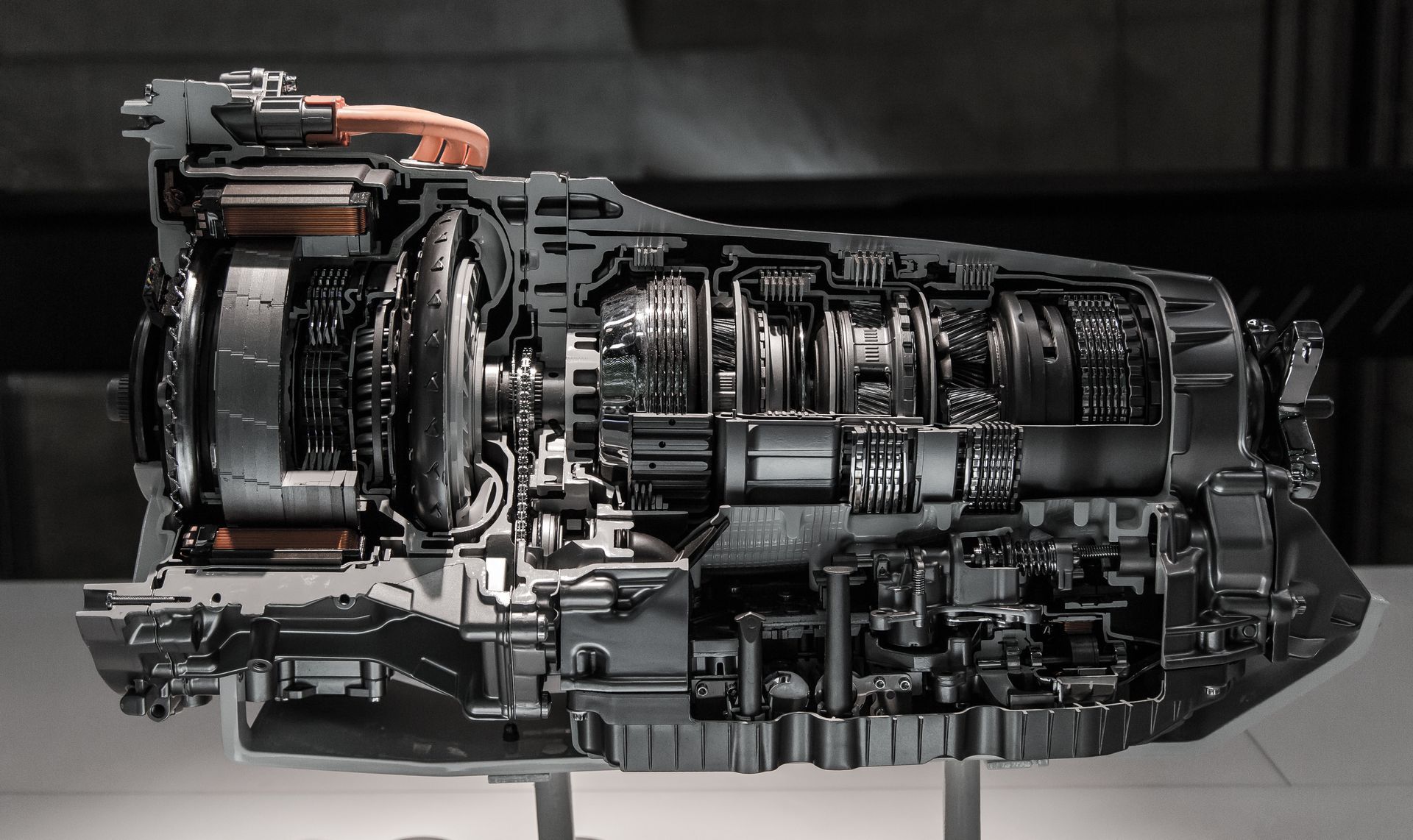
Automatic transmissions can also produce a hot odor if fluid overheats or leaks onto hot parts. If the vehicle slips, shifts harshly, hesitates, or shows transmission warning signs, the fluid condition and leak areas should be checked. A hot drivetrain smell is easier to handle early than after slipping gets worse.
When A Burning Smell Might Be Normal
Not every burning smell means the car is in trouble. A new part, fresh exhaust repair, light coating on new brakes, spilled fluid cleaned from an engine, or dust burning off the heater can create a temporary odor. The key is that the smell should fade and not come back during normal driving.
A smell that returns every trip, gets stronger, or comes with smoke should be treated differently. Timing helps too. Smell after braking points in one direction. Smell after parking points another. Smell only with the heater or A/C on can point toward the vents, blower motor, or something near the cabin air intake.
Get Burning Smell Inspection In Dover, FL, With Absolute Auto Repair Inc
If your car has a burning oil, rubber, brake, coolant, electrical, clutch, or transmission smell, Absolute Auto Repair Inc in Dover, FL, can check the source and explain what needs attention.
To find out whether the smell is minor or serious, contact us to schedule an appointment.